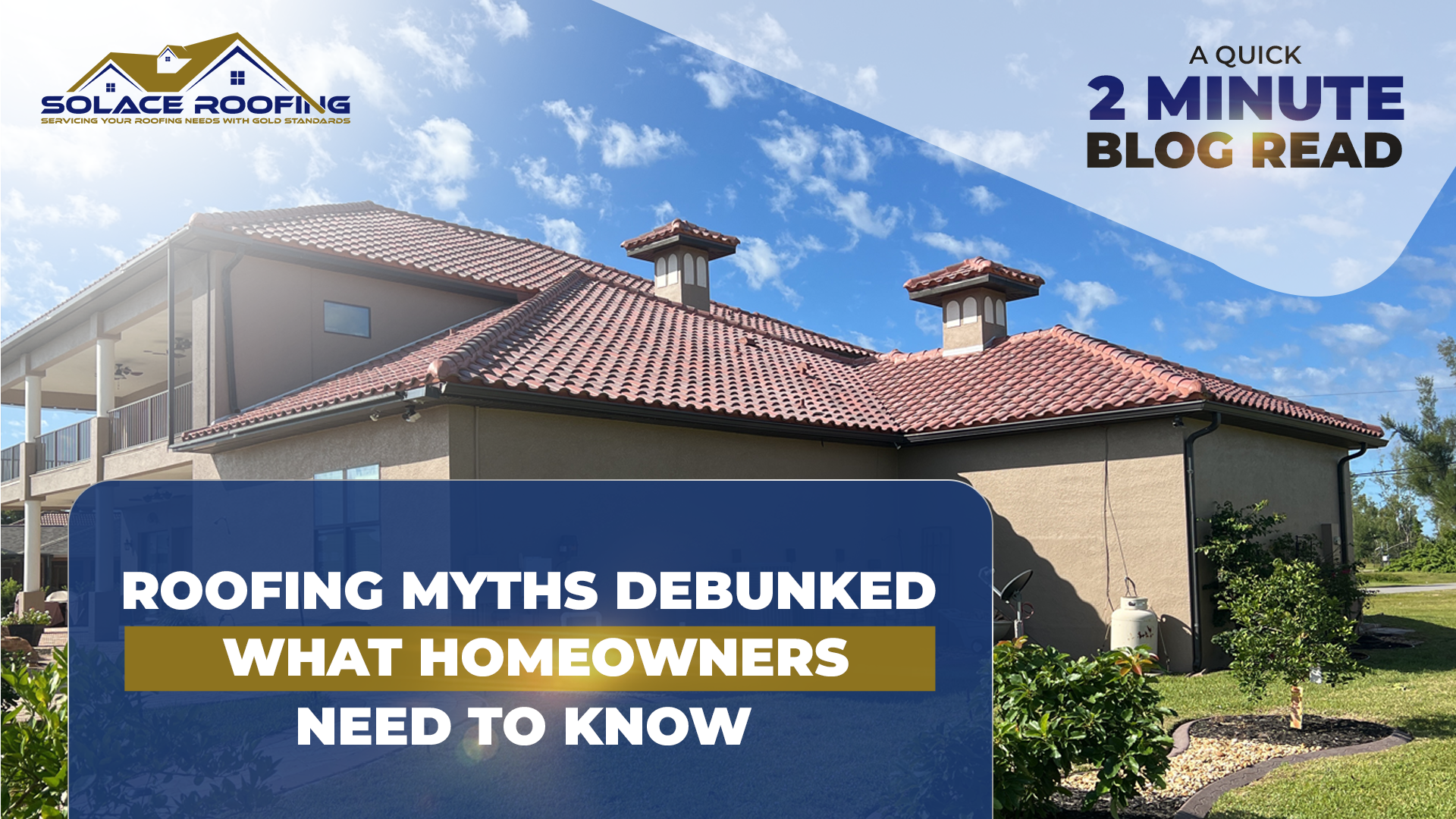
Roofing Myths Debunked: What Fort Pierce Homeowners Need to Know
When it comes to protecting your home in Fort Pierce, Florida, your roof is your first line of defense. But in the world of roofing, myths spread faster than a hurricane storm front. Believing the wrong information can cost you money, shorten the lifespan of your roof, and leave your home vulnerable when the next storm hits.
That’s why we’ve pulled together the 10 most common roofing myths, and the truth you need to know to keep your home safe on the Treasure Coast.
#1. Myth: A New Roof Doesn’t Need Maintenance
Even the best-installed roofing system needs care. In Fort Pierce’s coastal climate, salt, sun, and storms wear down materials faster. Regular inspections and maintenance are key to longevity.
#2. Myth: Roof Repairs Can Wait Until It Leaks
Waiting until water drips inside is a costly mistake. By the time you see a leak, the damage may already have spread to decking, insulation, or drywall. Early detection saves money and prevents major repairs.
#3. Myth: All Roofing Materials Are the Same
Not true, especially in Florida. Shingles, tile, and metal roofing perform differently under hurricane-force winds. Choosing the right material for Fort Pierce homes means considering wind ratings, durability, and energy efficiency.
#4. Myth: A Roof Warranty Covers Everything
Most homeowners assume warranties are a blanket guarantee. In reality, they’re limited. Workmanship warranties differ from manufacturer warranties, and poor installation can void both. Always confirm what’s covered and who’s responsible.
#5. Myth: DIY Roof Repairs Save Money
Roofing repairs may look simple on YouTube, but improper techniques can void warranties and create bigger problems. Plus, working at heights without proper equipment is dangerous. Trusting certified roofers ensures safety and proper installation.
#6. Myth: Storm Damage Is Always Obvious
Hurricanes and strong tropical storms often leave behind hidden damage, lifted shingles, punctured underlayment, or compromised flashing. These issues may not leak immediately but can fail during the next big storm. After severe weather, always schedule a professional inspection.
#7. Myth: Metal Roofs Attract Lightning
This one is still going strong, but completely false. Metal roofs do not increase your risk of a lightning strike. In fact, they’re one of the safest choices during storms because they’re non-combustible and highly durable.
#8. Myth: More Attic Insulation Means Better Protection
While insulation helps with energy efficiency, ventilation is just as critical. A poorly ventilated attic traps heat and moisture, leading to mold, warped decking, and premature shingle failure. (Check out our blog on roof ventilation).
#9. Myth: The Cheapest Estimate Is Always Best
Low bids often mean cut corners. Like using generic underlayment, skipping flashing, or hiring unlicensed crews. In Fort Pierce’s storm-prone environment, a “cheap” roof can become an expensive liability. Always compare quality, materials, and warranties.
#10. Myth: You Only Need a Roof Inspection After a Hurricane
Yes, hurricanes demand inspections, but so do Florida’s summer storms, heavy rains, and year-round heat. Regular inspections, at least once a year, help catch small problems before they escalate.
Why This Matters for Fort Pierce Homeowners
Living on the Treasure Coast means your roof is exposed to unique challenges: salt air corrosion, relentless UV rays, hurricane-force winds, and heavy rains. Believing roofing myths can leave your home unprepared for the realities of Florida weather.
At Solace Roofing, we believe in educating homeowners so you can make informed decisions. Whether it’s debunking roofing myths or helping you prepare for storm season, our goal is to give you confidence and peace of mind.
Don’t wait for the next storm to test your roof, take action now. Schedule your free roof inspection today and protect your home with a system designed to withstand Fort Pierce’s toughest conditions.

David Penagos