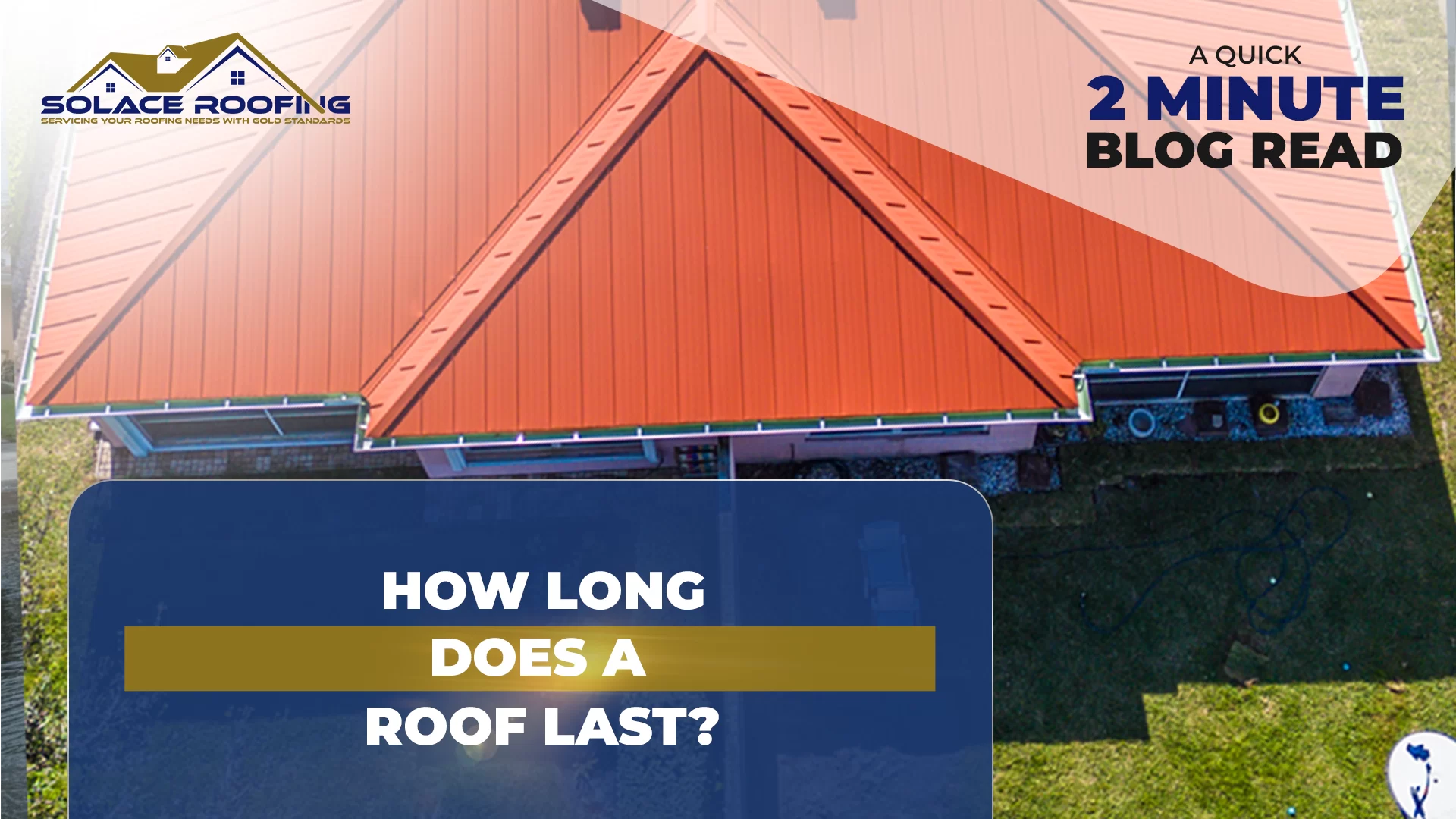
How Long Does a Roof Last?
How Long Does a Roof Last? It is one of the most common questions Florida homeowners ask—and for good reason. Between intense sun, heavy rain, humidity, and hurricane-force winds, roofs in Florida face far more stress than in most parts of the country. Understanding how long a roof really lasts in Florida helps homeowners plan ahead, avoid surprise repairs, and protect their investment.
The truth is, a roof’s lifespan depends on material type, installation quality, maintenance, and local climate conditions. Below, we break down what you can realistically expect and how to extend your roof’s life as long as possible.
How Long Does a Roof Really Last in Florida?
In Florida, roofing materials typically wear faster than their national averages due to UV exposure, salt air (near the coast), and frequent storms.
Asphalt Shingles: 15–25 years (often closer to 15–20 in Florida)
Tile Roofing: 40–50 years with proper maintenance
Metal Roofing: 40–70+ years, depending on material and system
Even the best materials won’t perform as intended without proper installation and ongoing care. That is why professional inspections matter.
What Shortens a Roof’s Lifespan?
Florida roofs fail early for a few common reasons: poor ventilation, storm damage that goes unnoticed, improper flashing, and deferred maintenance. Moisture intrusion and trapped heat can deteriorate roofing systems from the inside out long before leaks appear inside the home.
According to the National Roofing Contractors Association, most premature roof failures are tied to installation and ventilation issues—not material defects.
7 Practical Tips to Extend Your Roof’s Life
1. Schedule Regular Professional Inspections
Annual inspections help catch small issues—like lifted shingles or failing sealants—before they escalate into structural damage.
2. Address Storm Damage Immediately
Even minor wind or hail damage can weaken roofing materials. Prompt assessments after storms help preserve warranties and prevent water intrusion.
3. Keep Gutters and Valleys Clear
Clogged gutters trap water along roof edges and valleys, accelerating rot and material breakdown. Clean them at least twice a year.
4. Maintain Proper Attic Ventilation
Poor ventilation traps heat and moisture, which shortens shingle life and damages decking. Balanced intake and exhaust airflow is critical in Florida homes.
5. Repair Flashing and Sealants Early
Flashing protects roof penetrations like chimneys and vents. Small failures here are easy to fix early—but costly if ignored.
6. Trim Overhanging Trees
Branches scraping roofing materials strip protective coatings and increase storm damage risk. Trimming trees also keeps debris out of roof valleys.
7. Don’t Delay Small Repairs
A loose shingle or minor leak might seem harmless, but water spreads quickly once it enters the roofing system. Early repairs save money and extend lifespan.
When Age Matters More Than Appearance
A roof can look “fine” from the ground and still be near the end of its service life. Aging materials lose flexibility, fasteners loosen, and underlayment deteriorates. Insurance companies often factor roof age heavily when renewing or issuing policies.
The Federal Emergency Management Agency recommends proactive replacement of aging roofs in storm-prone regions to reduce loss risk.
Planning Ahead Saves Money
Knowing how long does a roof last allows homeowners to budget wisely and avoid emergency replacements. Proactive inspections and maintenance often add years of service life and protect home value.
At Solace Roofing, we help homeowners understand exactly where their roof stands—and what to expect next. Whether your roof needs minor attention or long-term planning, clarity is always the first step.
If you have been asking yourself how long does a roof last, the best answer starts with a professional evaluation tailored to Florida’s unique climate.

David Penagos