Low-E Roofing
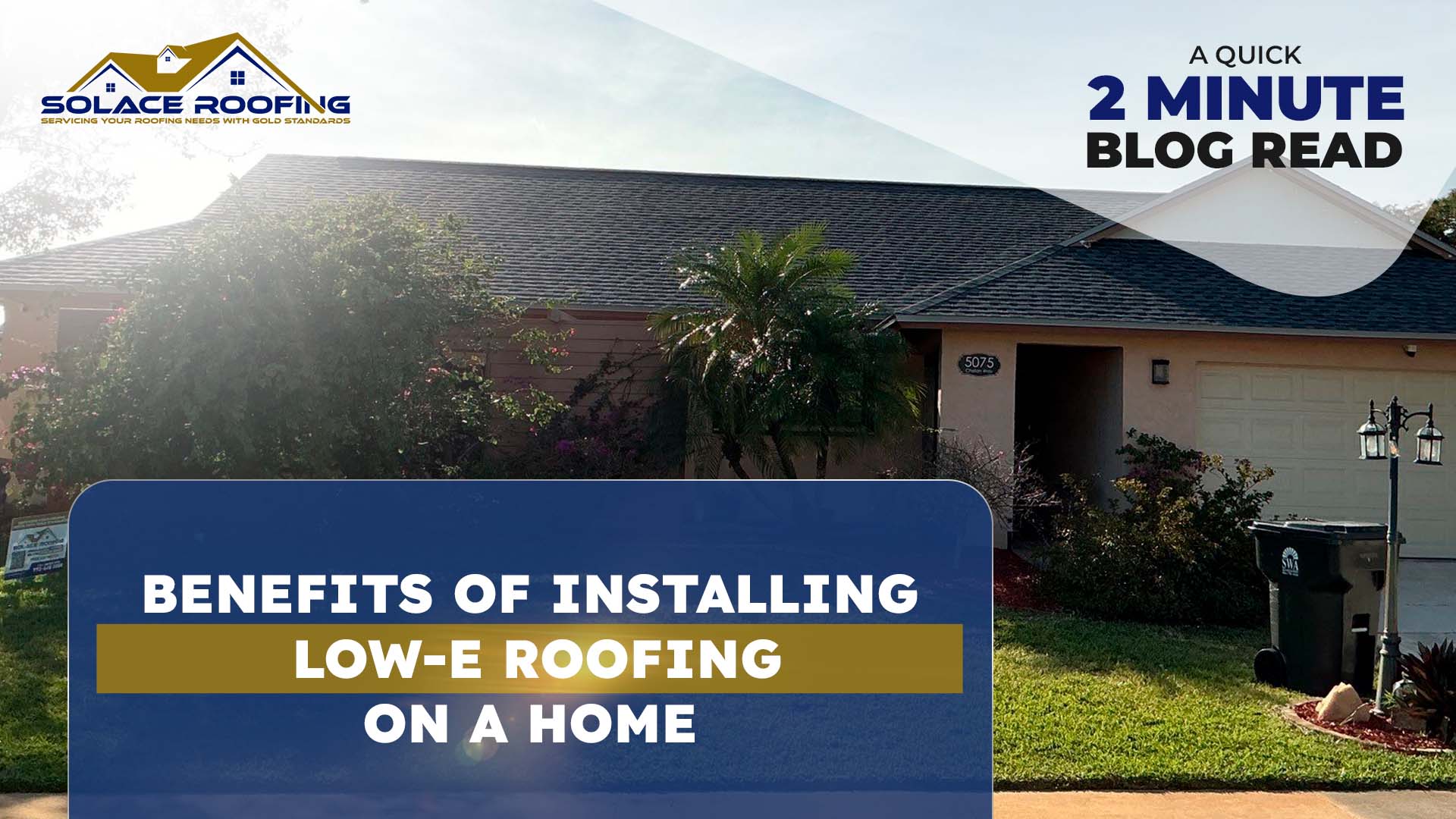
Low-e roofing — low-emissivity roofing — reflects infrared radiation away from the home instead of absorbing it, which directly reduces the heat transferred into your living space through the roof. In Florida’s climate, where cooling costs are a year-round expense and attic temperatures can exceed 150°F on a summer afternoon, low-e roofing delivers measurable, real-world benefits from day one. It’s one of the most practical upgrades a Treasure Coast homeowner can make when replacing a roof — and it’s available across multiple material types.
Here’s what low-e roofing actually does for your home and why it matters more in Florida than almost anywhere else.
What Makes a Roof Low-E
Low-e roofing works through reflectivity and emissivity — the material’s ability to reflect solar energy rather than absorb and re-radiate it as heat. This can be achieved through reflective coatings, specialty underlayment systems, inherently reflective materials like metal, and low-e shingle lines from manufacturers like GAF.
The result is a roofing system that runs cooler, transfers less heat into the attic, and reduces the demand placed on your home’s cooling system throughout Florida’s long summer season.
7 Benefits of Low-E Roofing for Florida Homeowners
1. Lower Monthly Energy Bills
The most direct benefit of low-e roofing is reduced cooling costs. A roof that reflects rather than absorbs solar heat keeps attic temperatures lower, which means your HVAC system works less to maintain comfortable indoor temperatures. For Florida homeowners running air conditioning eight to ten months of the year, those savings compound into a meaningful reduction in annual energy spend. The U.S. Department of Energy estimates that reflective roofing can reduce peak cooling demand by 10 to 15 percent in hot climates.
2. Cooler Attic Temperatures Throughout Summer
A conventional dark roof absorbs solar energy and transfers it as heat into the attic, raising temperatures that radiate down through the ceiling into living spaces below. A low-e roofing system dramatically reduces that heat transfer, keeping attic temperatures significantly lower during peak afternoon hours. Cooler attics mean a more comfortable home, less thermal stress on stored items and insulation, and reduced wear on ductwork running through the attic space.
3. Extended Lifespan of the Roofing System Itself
Heat is one of the primary accelerators of roofing material degradation. High surface temperatures cause shingle granule loss, sealant cracking, and underlayment breakdown at a faster rate. A low-e roof runs cooler at the surface, which reduces the thermal cycling stress that shortens a roofing system’s lifespan. Investing in low-e materials isn’t just about immediate energy savings — it’s about getting more productive years out of your roofing system before replacement is needed.
4. Reduced Strain on Your HVAC System
Every degree of heat your roof prevents from entering your home is a degree your air conditioner doesn’t have to correct. Low-e roofing takes load off your HVAC system, reducing run time, wear on components, and the frequency of service calls. In Florida, where HVAC systems already work harder and longer than in cooler climates, reducing that baseline demand extends equipment life and lowers maintenance costs alongside your energy bill.
5. Potential Eligibility for Energy Efficiency Incentives
Cool and reflective roofing systems may qualify for federal energy efficiency tax credits or utility rebate programs, depending on the materials used and the program guidelines in effect at the time of installation. Florida homeowners should ask their contractor and check with their utility provider about current incentives before a roof replacement. A qualifying low-e system can offset a portion of the installation cost while delivering long-term savings on energy bills.
6. Works Across Multiple Roofing Materials
Low-e performance isn’t limited to one product type. Standing seam metal roofing is inherently highly reflective. GAF’s Timberline Cool Series shingles — available through Solace Roofing as a GAF Master Elite® Contractor — deliver Energy Star-rated solar reflectance in a traditional shingle profile. Tile roofing also provides natural thermal mass and reflectivity that limits heat gain. Whatever material fits your home and budget, a low-e option is likely available. A free roof assessment helps identify which system delivers the best energy performance for your specific home.
7. Lower Environmental Impact
A home that requires less cooling energy has a smaller carbon footprint. Low-e roofing reduces electricity consumption, which lowers greenhouse gas emissions tied to power generation — a benefit that scales across neighborhoods and communities when broadly adopted. For Florida homeowners who want their investment to reflect both practical and environmental values, low-e roofing delivers both without compromising on protection, durability, or aesthetics.
A Smarter Roof for Florida’s Climate
Low-e roofing was designed for exactly the conditions the Treasure Coast faces every year — relentless sun, high ambient temperatures, and energy bills that reflect both. The benefits compound over time: lower bills, longer system life, reduced HVAC load, and a home that stays more comfortable without working harder to do it.
Solace Roofing installs low-e roofing options across multiple material types for homeowners throughout Stuart, Port St. Lucie, and the surrounding area. Schedule your free roof assessment today and find out which low-e system makes the most sense for your home.
Solace Roofing | Craftsmen Who Care

David Penagos