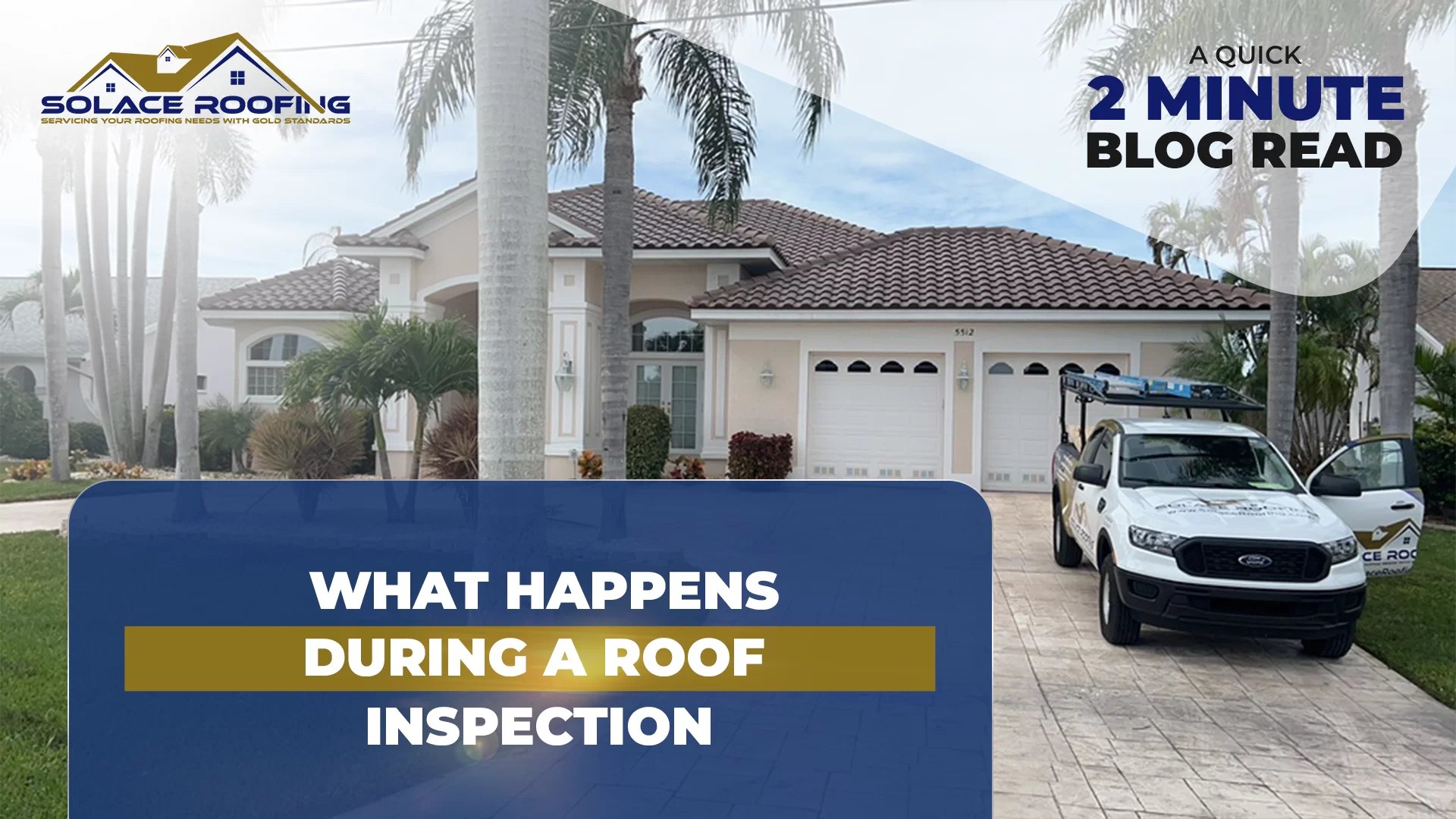
What Happens During a Roof Inspection
If you’ve ever wondered what happens during a roof inspection, you’re not alone. Many homeowners delay inspections simply because they’re unsure what roofers actually look for or how the results affect decisions about repairs versus replacement. Understanding the process removes the guesswork and helps you protect one of your home’s most important systems.
A professional roof inspection is not just a quick glance at shingles. It’s a methodical evaluation of your entire roofing system, designed to uncover issues before they turn into costly damage.
Below is a clear, step-by-step breakdown of what happens during a roof inspection and why each step matters.
1. Exterior Roof Surface Evaluation
The inspection begins on the roof itself. Roofers examine shingles, metal panels, or tiles for visible damage such as cracking, curling, corrosion, punctures, or missing materials. They also look for uneven wear patterns that may signal ventilation or installation issues.
This step helps determine whether problems are isolated and repairable or widespread enough to suggest replacement.
2. Flashing and Penetration Checks
Flashing protects the most vulnerable areas of your roof—around chimneys, skylights, vents, and roof-to-wall connections. During a roof inspection, these areas are carefully checked for rust, separation, loose fasteners, or sealant failure.
According to the National Roofing Contractors Association, flashing failures are one of the leading causes of roof leaks.
3. Gutter and Drainage Assessment
Proper drainage is essential to roof longevity. Inspectors check gutters, downspouts, and valleys for debris buildup, granule accumulation, or signs of overflow.
Excessive granules in gutters often indicate aging asphalt shingles, while standing water can point to slope or drainage problems that accelerate roof deterioration.
4. Attic and Interior Inspection
A critical part of what happens during a roof inspection takes place inside your home. Inspectors examine the attic for moisture, mold, staining, wood rot, and insulation issues. They also assess ventilation and airflow, which directly impact roof lifespan and energy efficiency.
Poor attic ventilation can trap heat and moisture, causing roofing materials to fail from the inside out. You can explore how ventilation affects roof performance in educational resources available on the Solace Roofing website.
5. Structural Integrity and Decking Review
Roofers evaluate the condition of the decking beneath the roofing material. Soft spots, sagging areas, or deflection can indicate long-term moisture damage or structural weakening.
This step is often the deciding factor between repair and replacement. If the decking is compromised, repairs alone may not provide a long-term solution.
6. Repair vs. Replacement Recommendation
The final step in a roof inspection is interpreting the findings. Roofers consider roof age, material condition, extent of damage, and future risk. Homeowners are then given clear guidance on whether targeted repairs are sufficient or if replacement is the safer investment.
This is where a professional inspection truly adds value—helping you avoid unnecessary replacements while also preventing repeated repair costs.
Why Roof Inspections Matter
Knowing what happens during a roof inspection empowers homeowners to make confident, informed decisions. Small issues caught early can often be repaired affordably, while delayed action can lead to structural damage, mold growth, and insurance complications.
At Solace Roofing, inspections focus on education as much as evaluation. Our goal is to give homeowners clarity, not pressure. You can learn more about our inspection process, repair options, and replacement solutions directly on the Solace Roofing website.
If it’s been a while since your last inspection—or if your roof has faced storms, heat, or age-related wear—now is the right time to schedule one. Understanding what happens during a roof inspection today can save you significant stress and expense tomorrow.

David Penagos