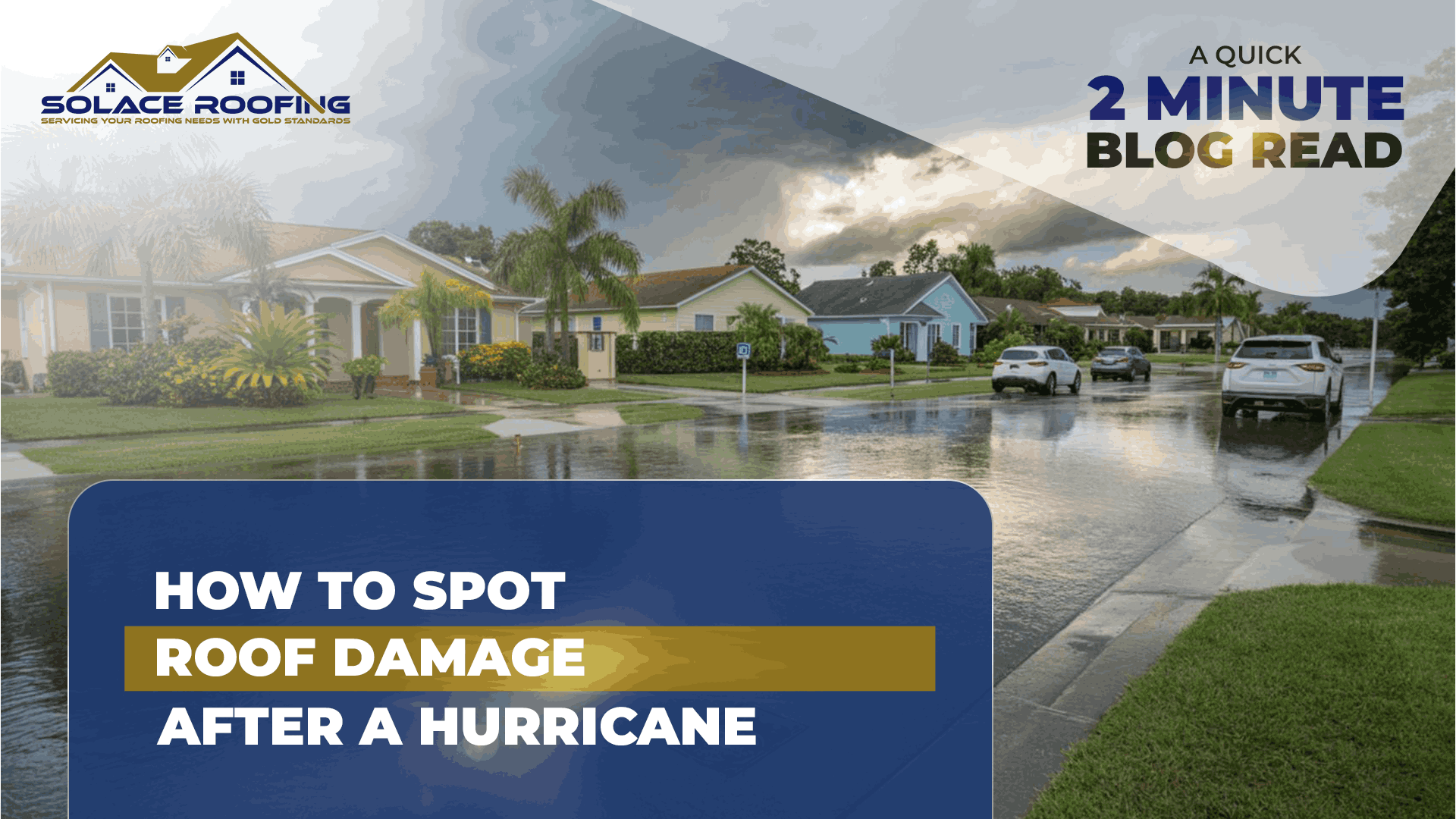
How to Spot Roof Damage After a Hurricane
When a hurricane sweeps across the Treasure Coast, your roof takes the brunt of nature’s fury. From Stuart to Port St. Lucie, high winds and driving rain can compromise even the strongest roofing system. Knowing how to spot roof damage after a hurricane is critical to protecting your home, preventing leaks, and avoiding costly repairs.
Here are 7 key tips to help homeowners identify roof damage after a storm.
1. Look for Missing or Lifted Shingles
Hurricane-force winds often tear shingles right off the roof deck or leave them curled and lifted. Missing shingles expose the underlayment and decking, making your roof vulnerable to water intrusion. Walk around your property and scan for bare spots or shingles lying in your yard.
2. Inspect for Damaged Roof Tiles or Metal Panels
On many Treasure Coast homes, tile and metal roofing are popular. After a storm, look for cracked, displaced, or dented tiles, and check metal roofing for bent panels or compromised seams. Even minor cracks can let water seep in and weaken the roof’s structure over time.
3. Check Gutters and Downspouts for Debris
Your gutters often reveal what your roof has endured. Shingle granules, broken tile fragments, or metal scraps in your gutters are a red flag that your roof covering has been damaged. Clogged or separated gutters can also lead to water pooling around the foundation, creating more problems beyond the roof itself.
4. Examine Flashing and Roof Penetrations
Flashing around chimneys, skylights, vents, and valleys is a common failure point during hurricanes. Loose or missing flashing allows wind-driven rain to penetrate vulnerable areas of the roof. Carefully check these spots from the ground or attic. If you see rust, gaps, or bent metal, it’s time for a repair.
5. Look for Interior Signs of Water Intrusion
Roof damage isn’t always visible from outside. Head indoors and check ceilings, walls, and attic spaces for water stains, damp insulation, or musty odors. In Florida’s humid climate, leaks can quickly escalate into mold growth and wood rot if left untreated.
6. Pay Attention to Sagging or Soft Spots
After a hurricane, the roof decking itself can be compromised. If you notice sagging areas, soft spots when walking on the roof, or ripples in the roofline, this may signal structural damage. This type of damage is serious and requires immediate professional attention.
7. Schedule a Professional Roof Inspection
While a visual check is helpful, not all storm damage is obvious. A licensed roofer knows exactly what to look for and can document damage for insurance claims. At Solace Roofing, we offer professional roof inspections to assess post-hurricane damage, provide photos, and recommend the best repair or replacement options. Having professional documentation can also make the claims process smoother with your insurance company, saving you stress and delays when you need help most.
For more resources on disaster preparedness, visit FEMA’s Hurricane Preparedness Guide.
Stay Prepared on the Treasure Coast
Living on Florida’s Treasure Coast means hurricane season is a reality every year. By knowing how to spot roof damage after a hurricane, you can act quickly to protect your home and family.
If you suspect storm damage, don’t wait for leaks to get worse. Contact Solace Roofing today at 772-446-3096 for a thorough inspection and expert storm damage restoration. We’ll walk you through every step, from inspection to repair or replacement, with transparency and care.
We’re proud to serve Stuart, Port St. Lucie, Fort Pierce, and all surrounding communities as the Craftsmen Who Care dedicated to keeping your roof strong and your home safe.

David Penagos