
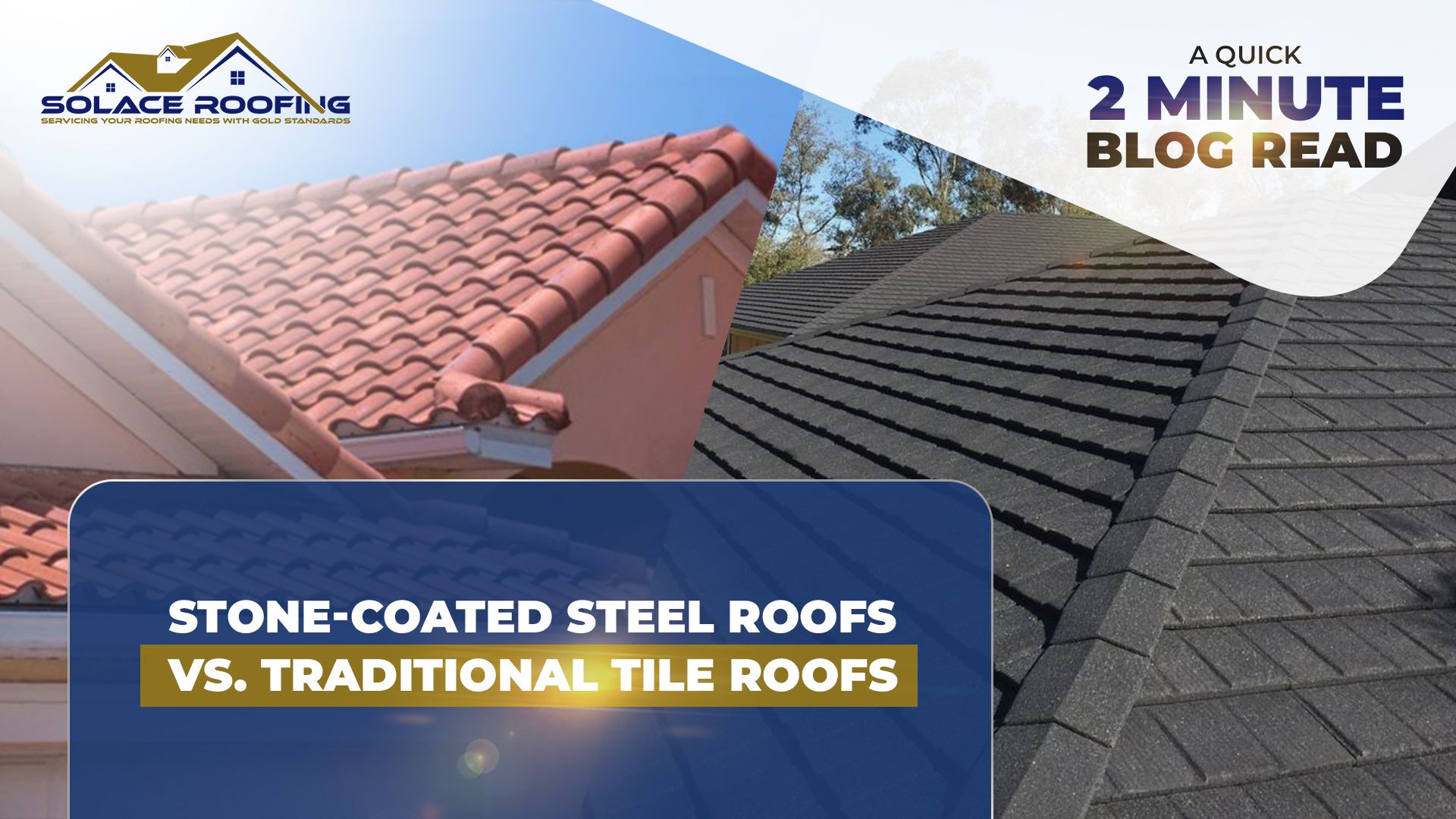
Comparing Stone-Coated Steel Roofs vs. Traditional Tile Roofs
Introduction
When it comes to choosing roofing materials, homeowners often find themselves weighing the pros and cons of different types. Stone-coated steel roofs and traditional tile roofs are two popular options, each with its unique attributes and drawbacks. This article delves into these two roofing types, helping you make an informed decision based on durability, cost, aesthetics, and maintenance.
Durability and Lifespan
Stone-Coated Steel Roofs: Known for their remarkable strength and resilience, stone-coated steel roofs can withstand harsh Florida weather, including heavy rains, hail, and high winds. They’re also fire-resistant and UV-protected, providing an impressive lifespan of up to 50 years or more. This makes them one of the most durable choices when comparing Stone-Coated Steel Roofs vs. Traditional Tile Roofs.
Traditional Tile Roofs: Tile roofs, especially those made from materials like clay or concrete, are also known for their durability. They can last up to 50 years or longer, but their lifespan can be influenced by the climate. In regions with frequent heavy rain or freezing temperatures, tiles can be more susceptible to damage.
Cost Considerations
Stone-Coated Steel Roofs: Although the initial cost of stone-coated steel roofs is generally higher than standard roofing options, their long-term value often outweighs the investment. Low maintenance, superior weather resistance, and fewer repair costs make them a cost-effective solution over time, especially for Florida homeowners.
Traditional Tile Roofs: Tile roofs—whether made of clay or concrete—are also recognized for their longevity. With proper maintenance, traditional tile roofs can last up to 50 years or longer. However, they tend to be more vulnerable in climates with frequent heavy rains or extreme temperature changes, which can cause cracking or moisture penetration.
Aesthetic Appeal
Stone-Coated Steel Roofs: One of the biggest advantages in the Stone-Coated Steel Roofs vs. Traditional Tile Roofs debate is design flexibility. Stone-coated steel roofs can mimic the look of tile, shake, or shingles, offering homeowners a wide range of colors and finishes that suit any architectural style—from coastal modern to Mediterranean.
Traditional Tile Roofs: Traditional tiles are celebrated for their classic and elegant appearance. They offer an authentic look that is particularly popular in Mediterranean, Spanish, or Southwestern architecture.
Installation and Maintenance
Stone-Coated Steel Roofs: These roofs are lighter than traditional tiles, which makes installation easier and less demanding on the roof structure. However, proper installation by a professional is crucial to ensure longevity and weather resistance. Maintenance for stone-coated steel roofs is minimal—usually limited to routine inspections and debris removal.
Traditional Tile Roofs: Tile roofs are heavier, requiring a reinforced roof structure for installation. Professional installation is a must. Maintenance involves regular inspections, especially after severe weather, and broken tiles need to be replaced promptly to avoid leaks.
Environmental Considerations
Stone-Coated Steel Roofs: Environmentally conscious homeowners often favor stone-coated steel roofs because they’re made from recycled materials and are fully recyclable at the end of their lifespan. Their reflective coating also helps reduce energy costs by deflecting heat, making them a sustainable and energy-efficient option for Florida homes.
Traditional Tile Roofs: Clay and concrete tiles are made from natural materials, making them environmentally friendly. They also provide excellent insulation, contributing to energy efficiency in homes.
Conclusion
Both stone-coated steel roofs and traditional tile roofs offer distinct advantages and potential drawbacks. Your choice will depend on factors like budget, aesthetic preference, climate conditions, and long-term maintenance considerations. Stone-coated steel roofs stand out for their durability and versatility, while traditional tile roofs offer a timeless aesthetic and natural appeal. Whichever option you choose, ensure you work with a professional installer to get the best results for your home.

Ruben Gamon