Secure Roof After Hurricane
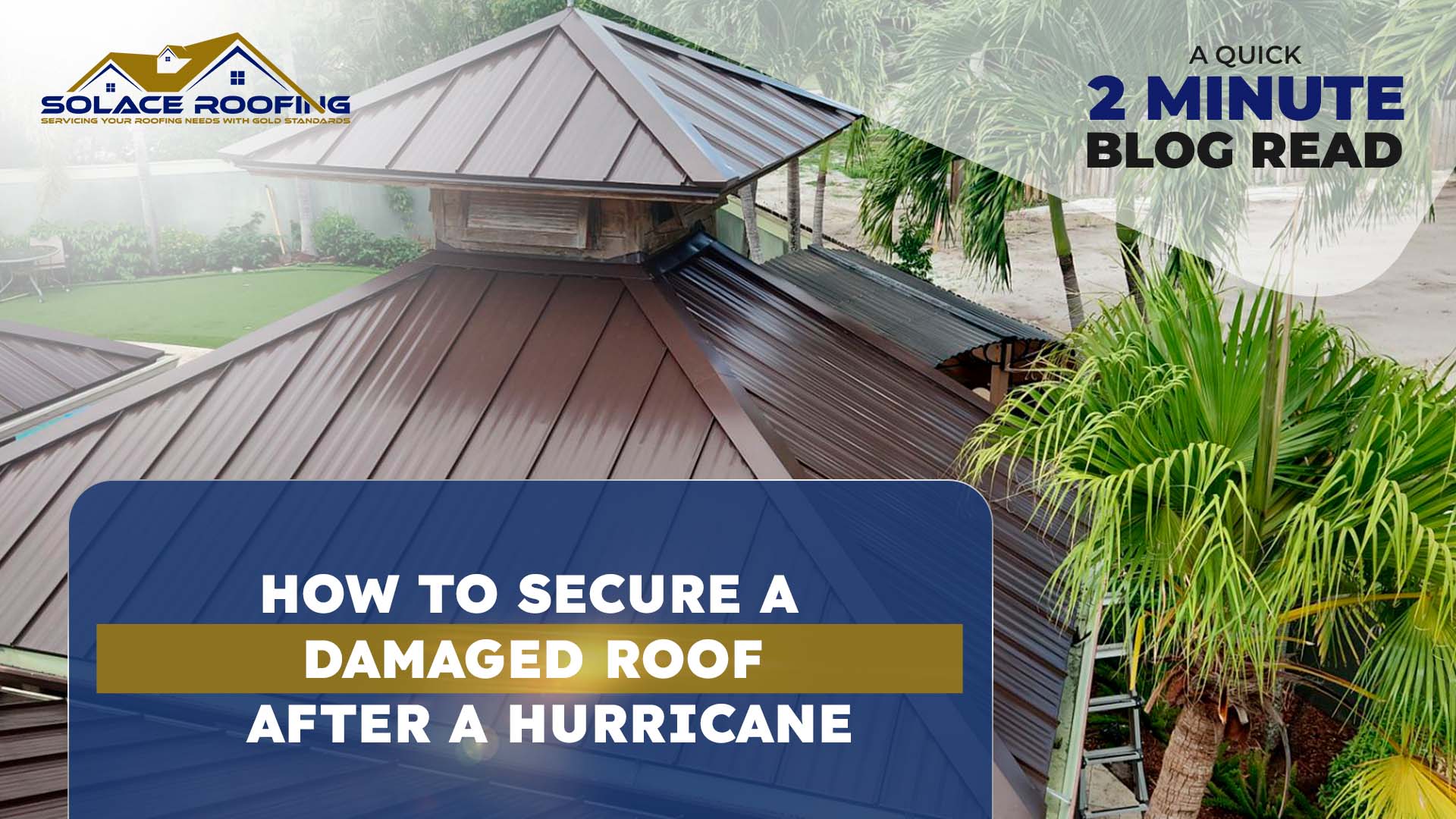
To secure a damaged roof after a hurricane, the most important immediate step is emergency tarping — covering any exposed decking, missing shingles, or open penetrations with a heavy-duty polyethylene tarp to stop water from entering while permanent repairs are arranged. Florida homeowners on the Treasure Coast know that what follows a hurricane can be just as damaging as the storm itself: days of post-storm rain, high humidity, and interior moisture exposure that turns a manageable repair into a far more expensive remediation. Securing the roof within the first 24 to 48 hours after a hurricane is one of the most consequential things a homeowner can do.
Here’s how to approach it safely and effectively.
Safety Comes Before Any Roof Work
Before any attempt to secure, cover, or access the roof, assess the situation from the ground. If the home sustained structural damage, if there are downed power lines nearby, or if standing water has reached electrical systems, contact emergency services before doing anything else. A damaged roof is a repairable problem. An injury from an unsafe post-storm environment is not.
7 Ways to Secure a Damaged Roof After a Hurricane
1. Document All Visible Damage Before Touching Anything
Before placing a tarp, removing debris, or starting any temporary repair, photograph and video every visible area of damage — missing shingles, exposed decking, damaged flashing, displaced ridge caps, and any interior ceiling stains. Comprehensive pre-repair documentation is the foundation of a strong insurance claim. According to FEMA, homeowners who document damage thoroughly before making emergency repairs recover claims more successfully than those who begin repairs without a documented baseline.
2. Install a Heavy-Duty Tarp Over All Exposed Areas
A minimum 6-mil polyethylene tarp, secured with wood battens or roofing screws at the edges, provides meaningful temporary protection over missing shingles or exposed decking sections. Extend the tarp beyond the damaged area on all sides and bring it over the ridge if possible — water follows the roof plane, and a tarp that stops at the damage boundary may leave the edges exposed. If the roof is too steep, too high, or structurally compromised to access safely, call a licensed contractor for emergency tarping rather than attempting it yourself.
3. Cover Interior Breaches to Limit Water Spread
If the roof has been penetrated and water is entering the home, contain it from the inside. Place buckets, use towels to direct water away from electrical outlets and flooring, and move valuables out of affected rooms. In the attic, use plastic sheeting draped over insulation and secured at the joists to channel water toward collection points rather than allowing it to saturate insulation and drywall below. Containing interior water exposure limits the scope of secondary damage while you wait for professional repairs.
4. Remove Debris Only When It’s Safe to Do So
Branches, tree limbs, and wind-blown material on the roof should be cleared before they cause additional damage — but only when conditions are safe and the debris can be removed without creating new problems. Heavy debris resting on a damaged section of roof may be providing temporary support to compromised framing. If you’re unsure whether debris removal could worsen the structural situation, leave it for a licensed contractor. A professional roof inspection after a hurricane will assess what’s safe to remove and in what sequence.
5. Inspect the Attic for Active Moisture Intrusion
After any hurricane, check the attic with a flashlight for wet insulation, water staining on the underside of the decking, or active dripping. Wet insulation loses its thermal value quickly and becomes a mold risk within 24 to 48 hours in Florida’s post-storm humidity. Any area of wet insulation that can be safely removed and replaced reduces the secondary damage footprint significantly. Document what you find with photos before removing anything — attic condition is relevant to your insurance claim.
6. Contact Your Insurance Company Immediately
Florida homeowners’ insurance policies have specific requirements for reporting hurricane damage — including timelines that affect claim eligibility. Contact your insurer as soon as the storm has passed and the situation is safe. Report the damage, ask about emergency repair coverage, and request guidance on what documentation they require. Solace Roofing is experienced in working alongside homeowners through the insurance claims process and can provide a documented damage assessment that supports the claim from the start.
7. Call a Licensed Roofing Contractor for Emergency Stabilization
Temporary measures buy time — they don’t replace professional repairs. A licensed roofing contractor should assess the full extent of hurricane damage as soon as they’re available, which on the Treasure Coast can mean scheduling quickly before post-storm demand peaks. A professional evaluation documents the complete damage picture, identifies hidden issues that DIY tarping can’t address, and establishes the repair scope needed to bring the roof back to a secure, weathertight condition. Schedule your assessment with Solace Roofing and get an experienced team on your roof as fast as possible.
Move Fast, Stay Safe, and Get the Right Team Involved
The window to secure a damaged roof after a hurricane is short. Every hour of exposure in Florida’s post-storm environment widens the damage. Tarping, documentation, insurance notification, and professional assessment — done in that order, as quickly as conditions allow — give Treasure Coast homeowners the best possible outcome after one of the most stressful events a home can face.
Solace Roofing responds to hurricane damage across Stuart, Port St. Lucie, and the surrounding area. Contact us for a free post-storm assessment and let’s get your roof secured and your home protected.
Solace Roofing | Craftsmen Who Care