How Low-E Roofing Works
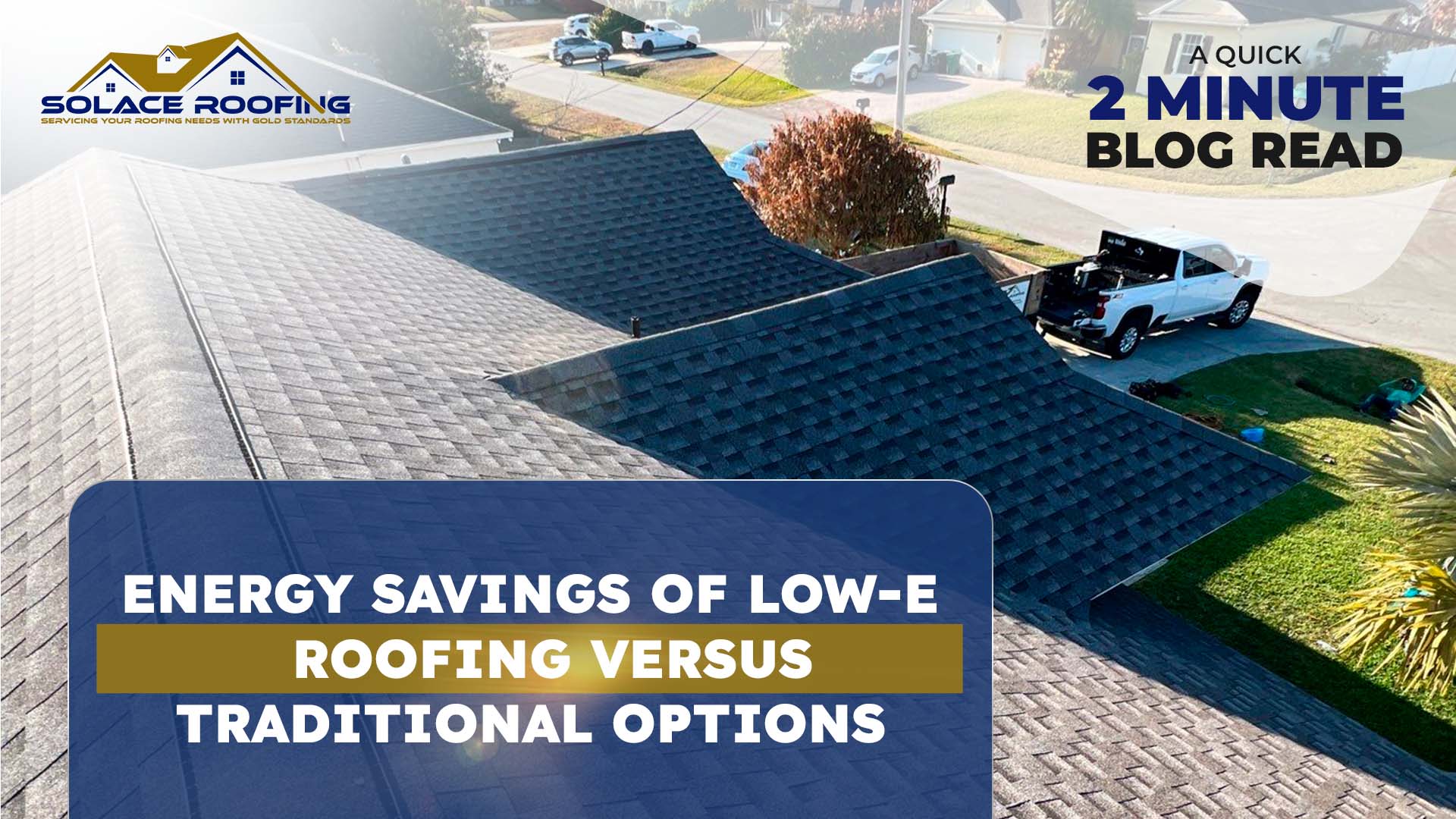
Low-e roofing works by reflecting solar radiation — including the heat-generating infrared wavelengths — away from the roof surface rather than absorbing and transferring it into the home. “Low-e” stands for low-emissivity, a measure of how much thermal energy a surface releases after absorbing sunlight. The lower the emissivity, the less heat a roofing system radiates down into the attic below. In Florida’s climate, where solar gain through the roof is one of the biggest drivers of cooling costs year-round, understanding how low-e roofing works helps Treasure Coast homeowners make smarter decisions when replacing a roof.
Here’s how the technology actually functions — and which roofing systems deliver it.
The Science Behind Low-E, in Plain Language
Every surface that absorbs sunlight converts some of that energy into heat and re-radiates it as infrared radiation. A conventional dark shingle roof absorbs up to 90 percent of the solar energy that hits it, re-radiating most of it as heat into the attic.
Low-e roofing interrupts that process at two points: it reflects more solar energy before it’s absorbed, and it re-radiates significantly less of what it does absorb. The combined effect is a roofing system that runs substantially cooler at the surface — and transfers far less heat into the home below.
5 Things to Understand About How Low-E Roofing Works
1. Solar Reflectance Is the First Layer of Protection
Solar reflectance — measured as a value between 0 and 1 — describes how much of the sun’s energy a surface bounces back rather than absorbs. A standard asphalt shingle has a solar reflectance of roughly 0.05 to 0.20. An Energy Star-rated low-e roofing product is required to meet a minimum solar reflectance of 0.25 for steep-slope applications, with high-performance products reaching 0.65 or higher. According to the U.S. Department of Energy, cool roofing products with high solar reflectance can reduce roof surface temperatures by up to 50°F compared to conventional materials — a dramatic difference in Florida’s summer sun.
2. Emissivity Is What Separates Low-E From Just “Light-Colored”
A common misconception is that any light-colored roof is a low-e roof. Color alone doesn’t determine emissivity. Emissivity measures how efficiently a material releases absorbed heat as infrared radiation. A low-e roofing system — especially a low-e metal roof — achieves both: high solar reflectance to reject incoming energy, and low emissivity to minimize re-radiation of what it does absorb. This dual action is what makes true low-e roofing significantly more effective than simply choosing a lighter shingle color.
3. Low-E Underlayment Adds a Second Thermal Barrier
Low-e performance doesn’t have to come entirely from the surface material. Low-e reflective underlayment — installed directly beneath the surface layer — creates a secondary thermal barrier that reflects radiant heat away from the attic even after some has passed through the surface above. This means a home can gain a meaningful portion of low-e performance by upgrading the underlayment alone, regardless of what surface material sits above it. It’s a particularly practical option during a roof replacement when the full system is being opened anyway.
4. Standing Seam Metal Roofing Is Naturally Low-E
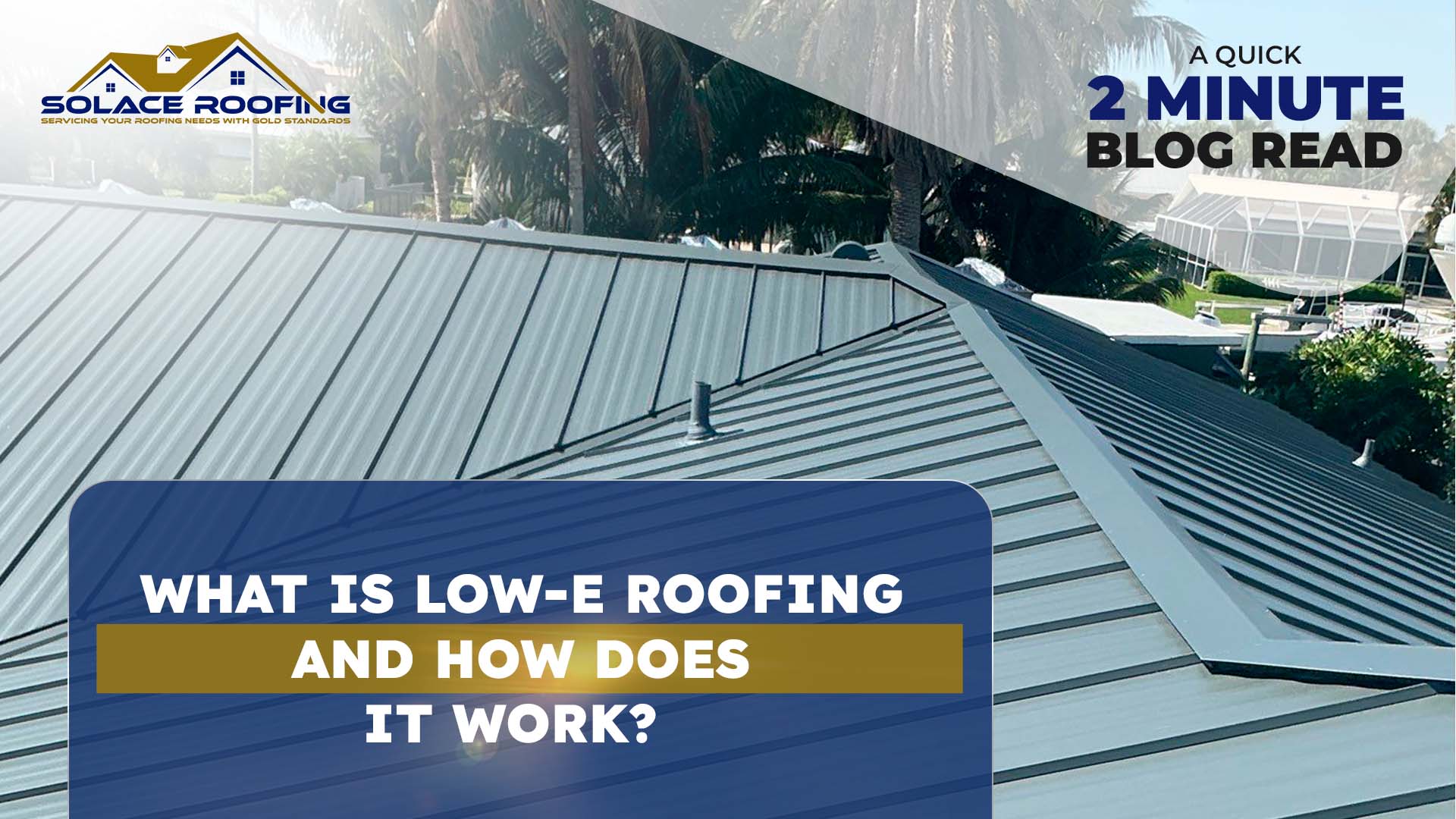
Metal is one of the most inherently low-emissivity roofing materials available. Standing seam metal panels reflect a high percentage of solar radiation, have low emissivity by nature of the material, and can be finished with specially formulated cool-roof coatings that push reflectance values even higher. For Treasure Coast homeowners who want the maximum thermal performance from a roofing system — combined with hurricane-rated wind resistance and a 40-to-70-year lifespan — standing seam metal delivers all of it in one system.
5. Low-E Shingle Technology Uses Reflective Granule Engineering
Not every homeowner wants a metal roof — and low-e performance is available in shingle form as well. Manufacturers like GAF have developed shingle lines that embed specially coated granules designed to reflect near-infrared solar radiation that standard granules would absorb. As a GAF Master Elite® Contractor, Solace Roofing installs these Energy Star-rated shingle options for homeowners who want low-e efficiency in a traditional shingle profile. A free roof assessment is the right starting point to determine which low-e system fits your home’s structure, budget, and performance goals.
The Right Low-E System Starts With Understanding Your Options
How low-e roofing works depends on the system — reflective surface materials, low-e underlayment, or both working in combination. Each approach delivers meaningful thermal performance, and the best choice for any home depends on budget, material preference, and how much energy efficiency the homeowner wants to build into the new roof.
Solace Roofing installs low-e roofing solutions across the Treasure Coast, from GAF reflective shingles to standing seam metal systems. Schedule your free roof assessment and find out exactly which low-e option is right for your home.
Solace Roofing | Craftsmen Who Care