Roof Inspection Schedule
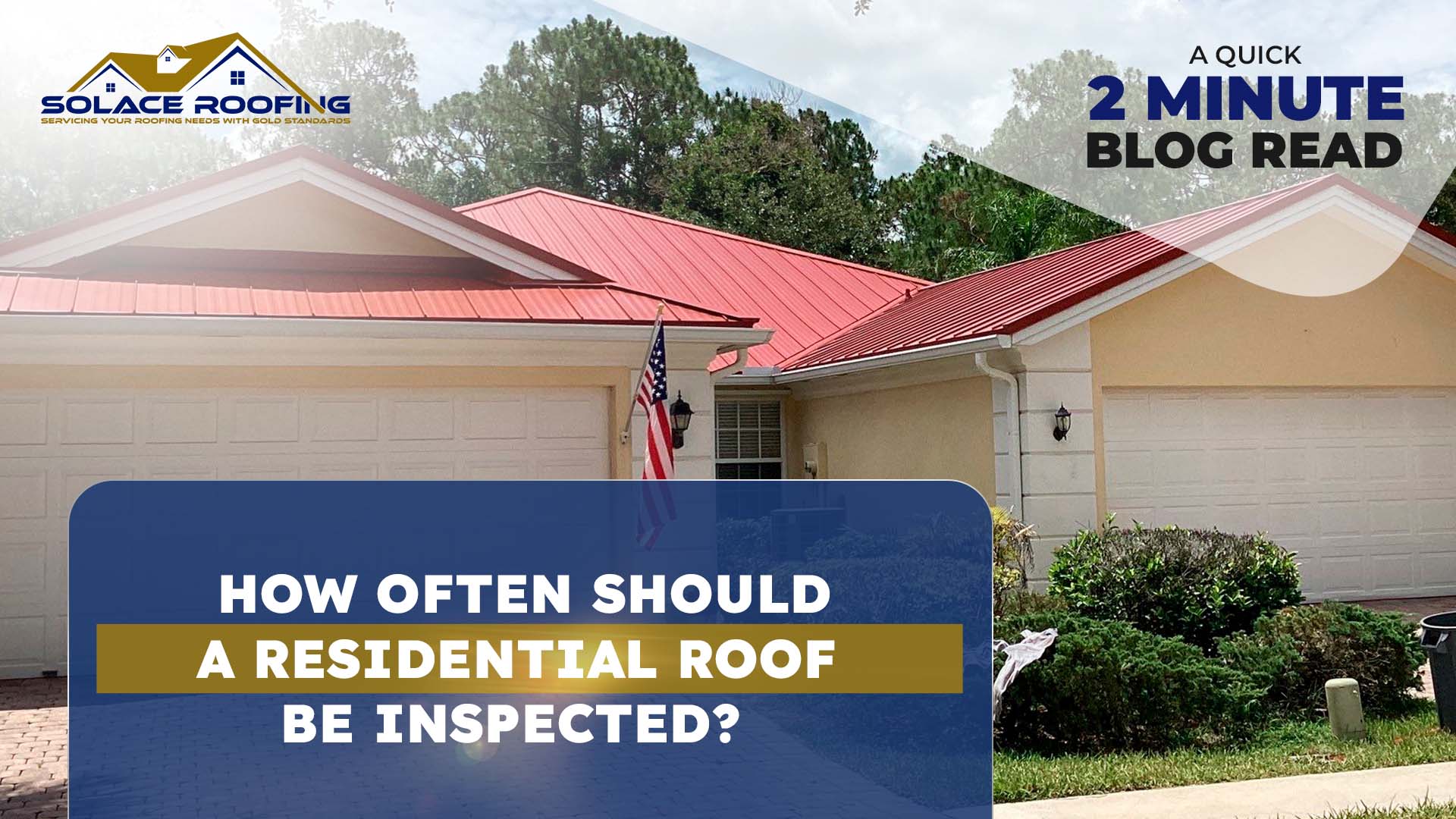
A residential roof should be inspected at least once a year — and in Florida, twice a year is the smarter standard. The ideal roof inspection schedule for Treasure Coast homeowners runs one inspection in the spring before hurricane season begins, and one in the fall after it ends. In a state where a single storm season can put more stress on a roof than a decade of weather in milder climates, waiting 12 months between inspections leaves too much time for small problems to grow into expensive ones.
Here’s why regular roof inspections matter more in Florida and how to build a schedule that actually protects your home.
Why Florida Changes the Inspection Standard
Most national guidelines recommend annual roof inspections. Florida’s environment makes that the bare minimum.
Between UV degradation, relentless humidity, wind-driven rain, and a hurricane season that runs from June through November, Florida roofs experience more cumulative stress per year than almost anywhere else in the country. A roof that looked fine in January can have storm-lifted flashing, cracked sealant around penetrations, and granule loss significant enough to affect performance by September. Catching those issues before the next storm hits is the difference between a minor repair and a major claim.
8 Tips for Building the Right Roof Inspection Schedule
1. Inspect at Least Once a Year as a Non-Negotiable Baseline
Annual inspections are the floor, not the goal. Once a year, have a licensed roofing professional assess the full system — surface material, underlayment condition, flashing details, ridge vents, gutters, and soffit. According to the National Roofing Contractors Association, annual professional inspections are one of the most effective ways to extend a roof’s lifespan and catch warranty-threatening issues before they develop further.
2. Schedule a Spring Inspection Before Hurricane Season
The single most important inspection on the Treasure Coast calendar is the one you schedule in April or May — before the June 1st start of hurricane season. This gives you time to address any repairs before your roof faces its most demanding test of the year. A roof going into storm season with compromised flashing, aging sealant, or missing shingles is a roof going in at a disadvantage.
3. Inspect After Every Significant Storm Event
Don’t wait for your annual inspection after a named storm or a severe weather event. Wind-driven debris, hail, and pressure differentials during hurricanes can cause damage that isn’t visible from the ground. Schedule a professional roof inspection within days of any storm that brought sustained high winds to your area — even if you don’t see obvious damage from the street.
4. Check Your Attic After Heavy Rain
Some of the earliest signs of roof problems show up inside before they show up outside. After a heavy rainstorm, check your attic with a flashlight for water stains, damp insulation, or any daylight visible through the decking. Catching moisture intrusion at the attic stage — before it reaches your ceiling drywall — keeps the repair scope and cost significantly smaller.
5. Pay Attention After Extreme Heat Waves
Prolonged heat events accelerate the degradation of roofing sealants, pipe boot collars, and the adhesive strips on asphalt shingles. After an extended stretch of 90-plus-degree temperatures, it’s worth doing a visual ground-level check for any shingles that appear lifted, bubbled, or out of alignment. The Insurance Institute for Business & Home Safety identifies thermal cycling as a significant contributor to premature roofing material failure in hot climates.
6. Inspect Before and After Any Roofing Work on Adjacent Structures
If you’ve had gutters replaced, solar panels installed, an HVAC unit serviced, or any other contractor working near or on your roof, schedule a follow-up inspection. Foot traffic, dropped tools, and repositioned equipment can damage shingles, crack tile, or disturb flashing without anyone noticing. A quick post-work inspection protects against damage that happened on your roof but wasn’t your roofing contractor’s job.
7. Prioritize Inspection When Buying or Selling a Home
A professional roof inspection is essential at any real estate transaction. For buyers, it reveals the true condition of the roof before closing and provides negotiating leverage if repairs are needed. For sellers, a pre-listing inspection identifies issues that could kill a deal or reduce your asking price — and gives you the opportunity to address them on your terms. Solace Roofing provides thorough inspections that give both buyers and sellers a clear, documented picture of the roof’s condition and remaining useful life.
8. Don’t Rely on Visual Inspections Alone
What’s visible from the ground is a fraction of what a trained eye finds on the roof. Granule loss, soft spots in the decking, lifted flashing edges, deteriorating pipe boot collars, and cracked ridge cap sealant are all invisible from street level. A professional who gets on the roof, checks inside the attic, and assesses every component of the roofing system gives you information a self-inspection simply cannot. Schedule a professional inspection with Solace Roofing and get the full picture.
Build Your Inspection Schedule Around Florida’s Reality
A residential roof inspection schedule built for the Treasure Coast means spring before storm season, fall after it ends, and a professional assessment any time a storm, heat wave, or major weather event puts stress on your system. It’s not overcautious — it’s what Florida’s climate actually demands.
Solace Roofing makes residential roof inspections easy for homeowners across Stuart, Port St. Lucie, and the surrounding area. Book your free roof assessment today and start the year with a clear picture of exactly where your roof stands.
Solace Roofing | Craftsmen Who Care

David Penagos