Partial Roof Repair
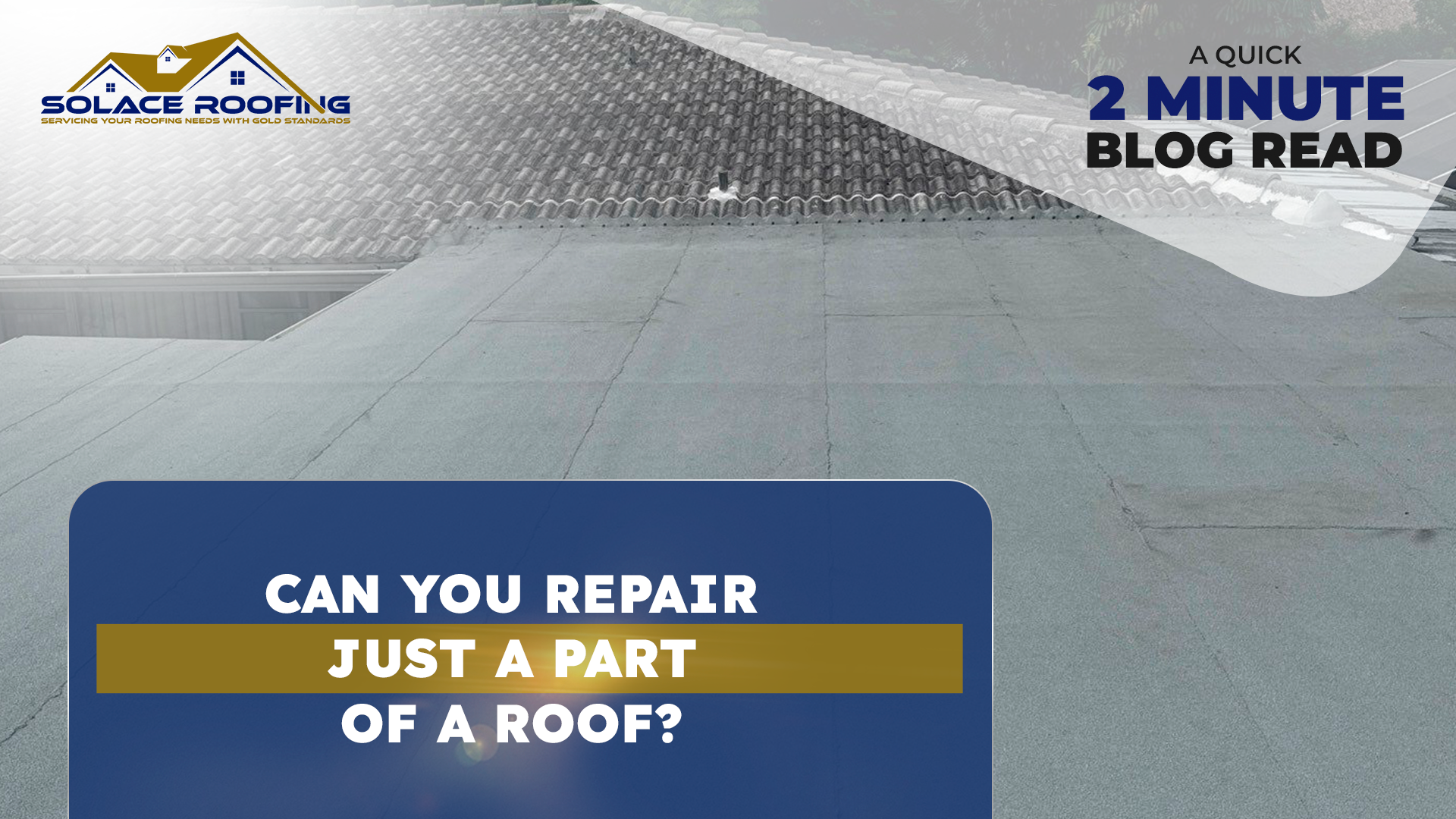
Yes, you can repair just a part of a roof — and when the damage is isolated and the rest of the roofing system is in solid condition, a partial repair is often the smartest and most cost-effective solution. But a partial repair done right is more involved than simply patching the visible problem. It requires matching materials, addressing the underlayment and decking beneath the repair zone, and making sure the repaired section integrates properly with the existing roof system. Done correctly, a partial repair extends your roof’s life significantly. Done poorly, it creates a weak point that leads to bigger problems down the road.
Here’s what Treasure Coast homeowners need to know before deciding whether a partial roof repair is the right call.
When a Partial Repair Makes Sense
Not every roofing problem calls for a full replacement.
If your roof is relatively young, the overall system is structurally sound, and the damage is confined to a specific area — a section of shingles after a storm, a failed flashing detail, or a few broken tiles in one zone — a partial repair is a legitimate and cost-effective option. A licensed roofing professional can assess whether the damage is truly isolated or whether it’s part of a broader pattern that warrants a more comprehensive approach.
8 Tips for Partial Roof Repair Done Right
1. Get a Full Inspection, Not Just an Assessment of the Visible Damage
Before committing to a partial repair, have a licensed contractor inspect the entire roof — not just the problem area. Damage that appears isolated at the surface can be connected to underlying issues in the decking or underlayment that extend beyond what’s visible. A professional roof inspection gives you a complete picture before you decide on scope.
2. Material Matching Is Critical
A partial roof repair on a shingle or tile system requires matching the existing material as closely as possible in profile, color, and manufacturer specification. This matters for both aesthetics and performance — mismatched materials can create inconsistencies in water drainage, wind resistance, and thermal movement. Experienced contractors source matching materials before the repair, not during it.
3. Address the Underlayment in the Repair Zone
Replacing surface material without inspecting and replacing compromised underlayment beneath it is an incomplete repair. In Florida’s climate, a damaged underlayment is an active water intrusion risk regardless of what’s on top of it. Any partial repair should include assessment and replacement of the underlayment in the affected zone.
4. Inspect and Repair All Flashing in the Area
Flashing at the edges of a repair zone — where the repaired section meets existing material — is one of the most common sources of post-repair leaks. Any partial roof repair should include a thorough inspection of all flashing details at the perimeter of the work area, with replacement or resealing as needed.
5. Factor in the Age of Your Existing Roof
A partial repair on a roof that has several years of life remaining makes sound financial sense. The same repair on a roof that’s already at or past its expected lifespan may be money spent delaying an inevitable replacement. Ask your contractor to give you an honest assessment of your roof’s remaining useful life before deciding whether to repair or replace.
6. Understand That Warranties May Differ Across Sections
The repaired section of your roof will carry a different warranty timeline than the original installation. New materials installed during a partial repair come with their own manufacturer coverage, and your contractor’s workmanship warranty applies to the repair zone. Be clear on what is and isn’t covered in each section of your roof going forward.
7. Document the Damage Thoroughly for Insurance Purposes
Before any repair begins, photograph the damage from multiple angles — both from the ground and from the roof if it’s safely accessible. Detailed documentation of the pre-repair condition is essential if you plan to file an insurance claim for the repair cost. According to FEMA’s home disaster recovery guidance, thorough documentation is one of the most important steps homeowners can take after weather-related roof damage.
8. Don’t Use a Partial Repair as a Substitute for Addressing Root Causes
A partial repair solves the immediate problem. It doesn’t automatically address what caused the damage in the first place. If the repair is the result of inadequate ventilation, poor original installation, or a systemic drainage issue, those root causes need to be corrected alongside the repair — otherwise the same area is likely to fail again.
Partial or Full: The Right Answer Starts With a Professional
Deciding whether to do a partial roof repair or move toward a full replacement is a decision that depends entirely on the condition of your specific roof. The right call isn’t always obvious from the ground — it requires a trained eye, an honest assessment, and a contractor willing to give you the full picture rather than the most profitable recommendation.
Solace Roofing gives Treasure Coast homeowners exactly that. Schedule your free roof assessment today and find out whether a partial repair is the right move for your home.
Solace Roofing | Craftsmen Who Care

David Penagos