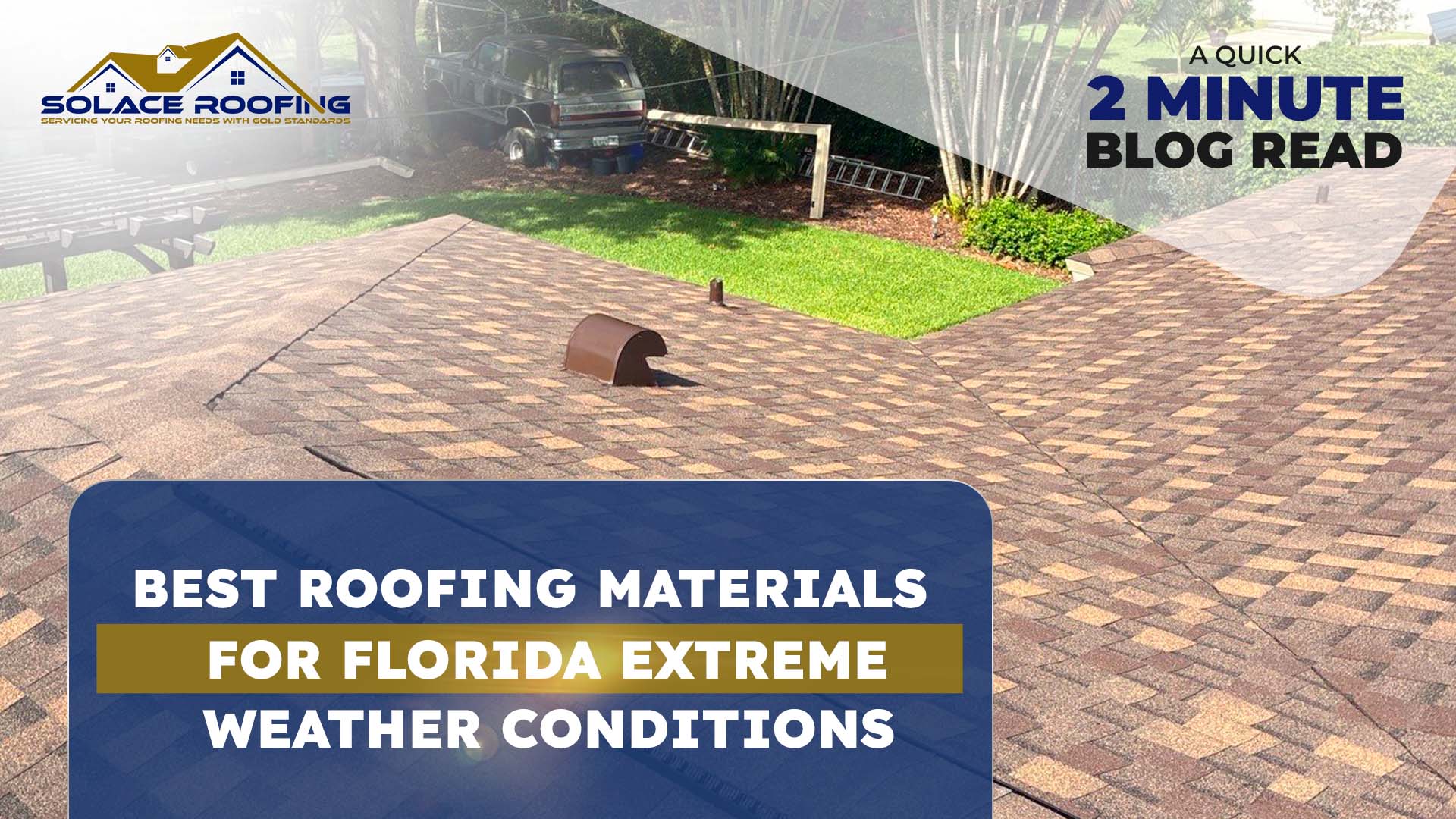
Best Roofing Materials for Florida
The best roofing materials for Florida’s extreme weather are standing seam metal, concrete and clay tile, and impact-rated asphalt shingles — each engineered to handle what the Sunshine State throws at a roof every single season. But in Florida, “extreme weather” isn’t just a phrase. It means hurricane-force winds, torrential rain, flying debris, and relentless humidity cycling through your roofing system year after year. Choosing the wrong material doesn’t just shorten your roof’s life — it can compromise your entire home when a major storm hits.
Here’s what Treasure Coast homeowners need to know about roofing systems built to survive Florida’s toughest conditions.
What Florida Extreme Weather Actually Does to a Roof
Most roofs fail during Florida storms not because the material is cheap — but because the system wasn’t built for the environment.
Wind uplift is the leading cause of storm-related roof failure. When wind gets underneath improperly fastened shingles, flashings, or ridge caps, it peels roofing layers back in seconds. Add in horizontal rain at 80 to 130 mph, airborne debris acting as projectiles, and post-storm moisture trapped under compromised materials — and you understand why Florida demands more from its roofing systems than anywhere else in the country.
The right roofing system addresses all of these threats at once.
The Top Roofing Systems for Florida Extreme Weather
Standing Seam Metal Roofing
Standing seam metal is the gold standard for storm performance in Florida. Panels interlock and are mechanically fastened to the deck — eliminating exposed fasteners that wind can exploit. High-quality systems from manufacturers like Metal Alliance and Dynamic Metals are rated to withstand winds of 130 mph and above, well within the requirements for Treasure Coast homes.
Metal roofing is also impact resistant, non-combustible, and highly resistant to moisture intrusion. Solace Roofing’s tile-to-metal conversions are one of the most popular upgrades in our area for exactly this reason.
Concrete and Clay Tile
Tile is one of Florida’s most time-tested roofing systems. When properly installed with hurricane straps, approved underlayment, and correct mortar application, concrete and clay tile roofs handle wind and rain exceptionally well. Both Westlake and Newpoint manufacture tile products to Florida Building Code specifications, with wind ratings designed for hurricane-prone regions.
The key is the full system — tile alone isn’t enough. The underlayment, deck condition, and fastening method underneath the tile are just as important as the tile itself. A professional roof inspection before a tile installation ensures the structure beneath can handle it.
Impact-Rated Asphalt Shingles
Class 4 impact-rated shingles from GAF and Owens Corning offer a strong combination of affordability and extreme weather performance. Designed to resist hail, wind-driven debris, and high-speed wind uplift, these shingles are tested to UL 2218 and FM 4473 standards — the same benchmarks used for commercial roofing in storm-prone regions.
When installed by a GAF Master Elite® Contractor like Solace Roofing, they also qualify for enhanced warranty programs that cover wind damage up to 130 mph.
6 Tips for Choosing the Right Storm-Ready Roof in Florida
1. Look for Miami-Dade NOA Approval
Miami-Dade Notice of Acceptance (NOA) is the most rigorous product approval standard in the country. Products tested and approved by Miami-Dade County have been proven to perform under the most extreme Florida wind and rain conditions. If your material carries an NOA, it’s built for the state.
2. Don’t Treat the Underlayment as an Afterthought
Your roofing material is the first line of defense. The underlayment is the last. In Florida, a synthetic underlayment rated for high-wind exposure — not standard 15-lb felt — is non-negotiable. If your roof loses shingles or tiles in a storm, the underlayment is what stands between the storm and your home’s interior.
3. Prioritize Wind Rating Over Price
A roofing system rated to 130 mph costs more upfront than a standard installation — but one major storm claim can cost far more than the difference. In a state where hurricanes are a matter of when, not if, wind rating is one of the most important specs on your quote.
4. Make Sure the Entire System Meets Florida Building Code
Florida Building Code requirements for roofing are among the strictest in the country for good reason. From fastener patterns to underlayment type to deck attachment, every component of your roof must meet code — not just the surface material. Always verify your contractor pulls the proper permit and schedules a final inspection.
5. Improve Ventilation Before the Next Storm Season
Poor attic ventilation traps heat and moisture that weakens decking, accelerates material breakdown, and creates the conditions for mold after a storm. A well-ventilated attic keeps your roofing system performing the way it was designed to — even after taking a hit.
6. Ask How Your Roof Choice Affects Your Insurance Premium
The right roofing system can earn you a wind mitigation credit on your Florida homeowner’s insurance. According to the Insurance Institute for Business & Home Safety, impact-rated materials and properly fastened roof decks are among the most effective ways to reduce storm damage — and insurers reward that with lower premiums. Ask your contractor for a wind mitigation report after installation.
Build Your Roof for the Weather Florida Actually Has
The best roofing materials for Florida aren’t the ones that look great in a catalog — they’re the ones still standing after a Category 3 makes landfall. Standing seam metal, properly installed tile, and Class 4 impact shingles each offer real storm protection when the right system is installed by a certified professional.
At Solace Roofing, we build roofs for the Treasure Coast’s real conditions — not just the sunny days. Schedule your free roof assessment today and let’s find the right storm-ready system for your home.
Solace Roofing | Craftsmen Who Care

David Penagos